
Once a week, eat what you genuinely enjoy — slowly, fully, and without the guilt script.
Tell yourself you can never have chocolate again and chocolate may become the loudest thought in the room. Restraint theory suggests that people who chronically restrict certain foods often experience stronger cravings than those who include those foods moderately. This is a predictable psychological pattern, not a personal shortcoming. The flexible plate approach removes the forbidden label. You plan for pleasure instead of fighting it. Once a week — perhaps Friday evening after a full week, or Sunday lunch with family — you choose a meal that is purely for enjoyment. Fish and chips by the Christchurch seaside. A slice of lamington at a community event. Your favourite butter chicken from the local takeaway. You eat it at a table, taste each bite, and stop when satisfied rather than stuffed because the next day is not a punishment day. There is no compensation required — no extra gym session, no skipped breakfast. The rest of the week continues with gentle structure: vegetables, protein, whole grains, hydration. Balance emerges across days, not within every single plate.
Spontaneity is lovely, but planning prevents the joy meal from becoming every meal. Pick a day that suits your rhythm. Mark it in your calendar like any other appointment — not because it is a reward for being good, but because it is part of your eating pattern. Decide in advance what you want rather than standing in front of a fridge at 9 p.m. wanting everything. Anticipation is half the pleasure. When the day arrives, eat mindfully: notice texture, temperature, aroma. Put your phone away. Share the meal with someone if you can — social eating slows pace and increases satisfaction. Research in Appetite journal found that people who ate their favourite foods mindfully reported higher satisfaction and less desire to continue eating beyond fullness compared to distracted consumption. After the meal, return to your usual rhythm without commentary. No inner monologue about being bad or needing to earn food again. The flexible plate is a circle, not a pendulum. You nourish, you enjoy, you nourish again. Over months, favourite foods lose their obsessive edge because they are no longer scarce. That is the quiet freedom this practice offers.
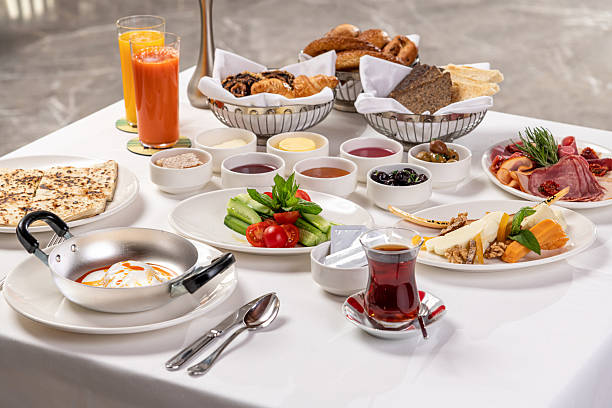
Birthdays, work functions, and family gatherings can feel like minefields if you are used to rigid rules. A flexible approach starts before you arrive. Eat a balanced snack if you are ravenous — arriving overly hungry makes mindful choices harder. At the event, scan the options and choose what appeals most rather than trying everything. It is fine to leave food on your plate when you are satisfied. Declining seconds is not rude when done warmly. If someone comments on what you eat or do not eat, a simple "this looks great, I am happy with what I have" usually ends the conversation. You do not owe anyone an explanation of your eating philosophy at a barbecue. For hosts who push food, accept a small portion with gratitude or suggest taking leftovers home. New Zealand social culture often centres on generosity through food — honour the intent without overriding your body signals. Remember that one meal at a wedding does not define your month. Zoom out. The flexible plate works across seasons of celebration and ordinary Tuesdays alike.
Enjoy the cake, stay present, move on without Monday guilt.
Choose two items you genuinely like rather than grazing the full spread.
Contribute a dish you feel good about; enjoy others without commentary.
For most people, one planned pleasure meal provides structure without crowding out nourishment. Some weeks include two social events — that is life. Flexibility means adjusting without abandoning the overall approach.
Notice what happened without judgement. Did you arrive too hungry? Eat too fast? Learn for next time. One fuller meal does not undo weeks of gentle habits. Resume normal eating at the next occasion.
Yes. Takeaway is part of real life in Christchurch and across New Zealand. Eat it mindfully at a table, enjoy it fully, and continue your usual pattern afterward.